Original Gift cooperative Farmers is committed to the creation of a sustainable, fair trade supply chain that preserves and rewards a way of life for the farming communities in Somaliland.
Achieving USDA Organic and Fair Trade certifications, the resins imported from it’s network of co-operative farmers in Northern Somalia are distilled and/or packaged as essential oils and bulk resins with vast applications as a component in other natural and wellness goods, for use in religious ceremonies, and in their various personal consumer uses.
The Cooperative is poised to bring empowerment to women in the region with safe, fair employment and create fair trade for the farmers and harvesters of Frankincense and Myrrh by removing unfair price pressures that have undermined this traditional, revered harvest practice and caused environmental degradation of the Boswelliaspp resource throughout the region.
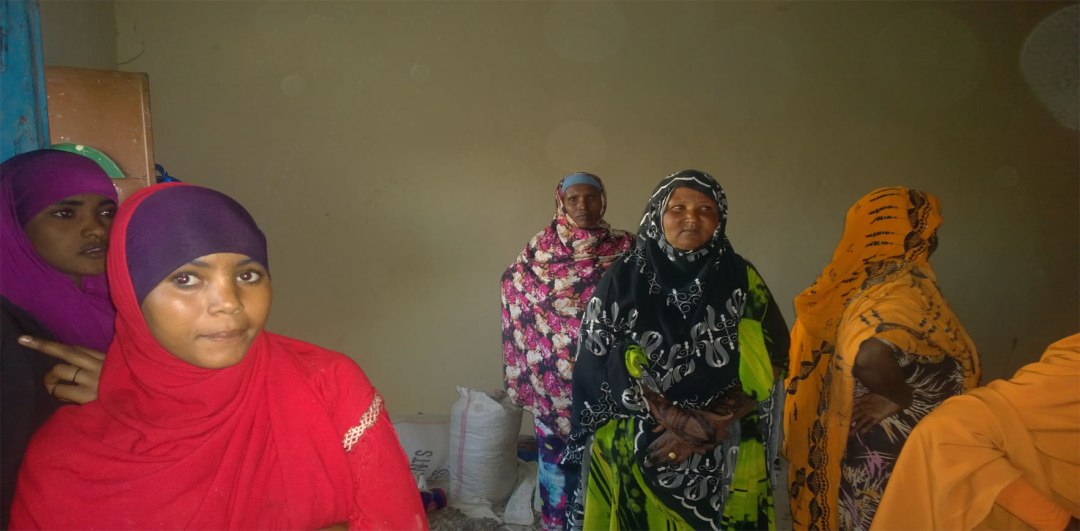
The opportunity exists for a cooperative to form and work with local farmers and governance to ensure the trees are not over harvested, to dissuade outsiders from raiding local resources and to promote effective fair trade. The cooperative, as envisioned, will reduce competition and underbidding by farmers, and increase cooperation on agreed market and sustainability standards. This cooperative is the body intended to work as a farmer collaboration to elevate and stabilize the price of Frankincense, oversee the protection of the trees, and promote the well-being of the workers, particularly economic empowerment of and safe, fair working conditions for the women who traditionally sort and clean the Frankincense resin after it has been harvested.
Frankincense is extracted as resin (or sap) from trees of the Boswelliagenus. In Somaliland, two types of Boswelliatrees grow, Boswelliasacra (B. carterii) and Boswelliafrereana, which is an endemic species found only in the Somali Frankincense region. Frankincense is known for its uses in the perfume industry and churches throughout the western world. It is resin of medium tears, extracted by tapping the trees. It can be further rendered from its resinoid state to a course powder or steam distilled to an essential oil. Similarly, Myrrh is the aromatic resin of a number of small, thorny tree species of the genus Commiphora. When a tree wound penetrates through the bark into the sapwood, the tree bleeds a resin. Myrrh gum, like frankincense, is such a resin. It has also been used throughout history as a perfume, incense and medicine.
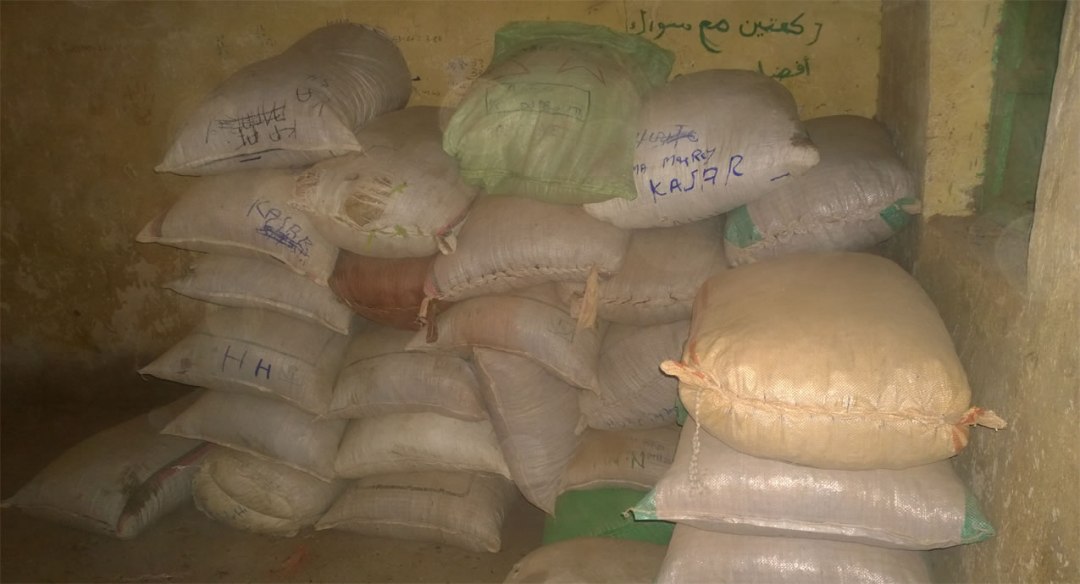
 Beeyo Cooperative